Stearic acid
Stearic Acid
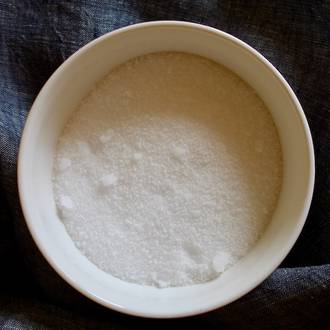
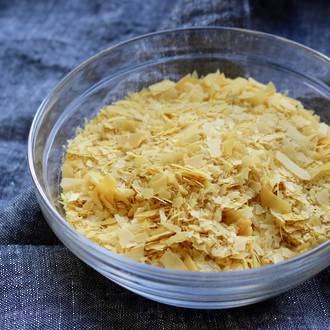
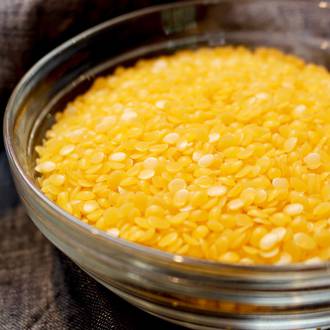
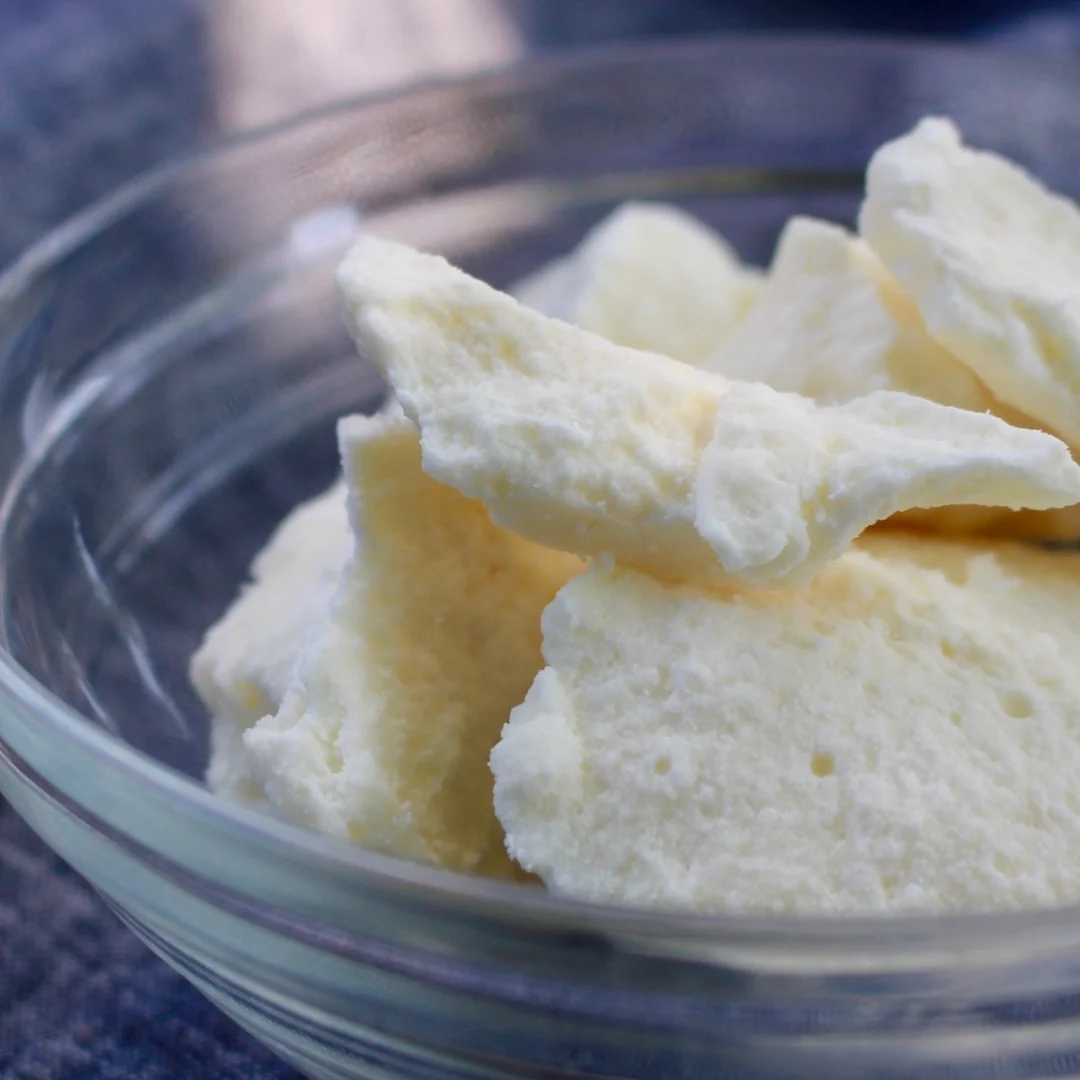
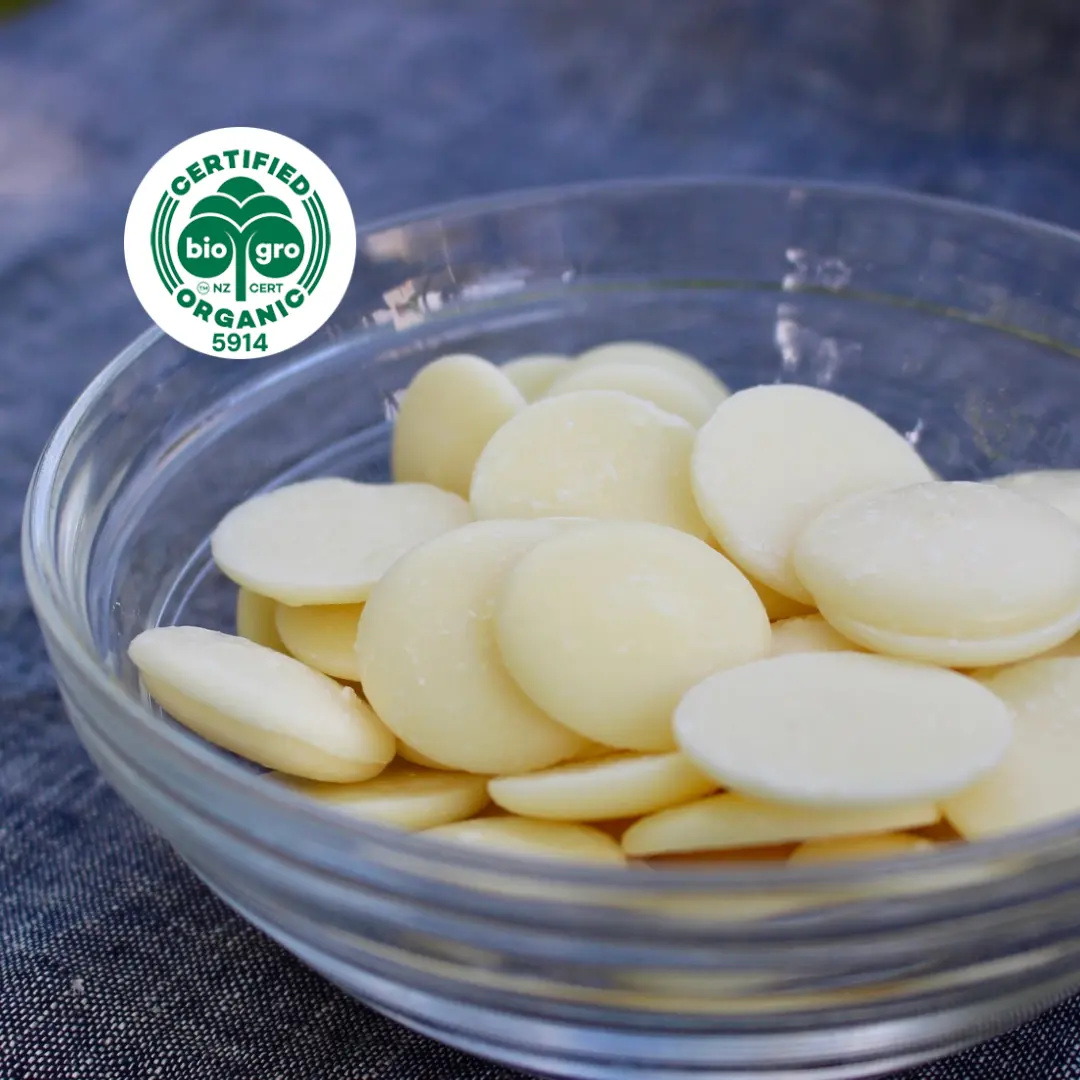
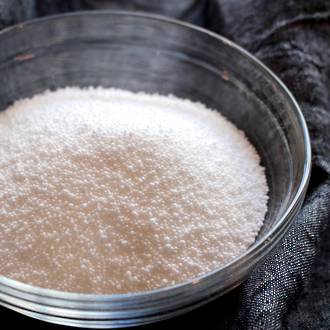
Vegetable-derived stearic acid is a solid fatty acid used to thicken, harden, and stabilise formulations. It occurs naturally in many fats and oils (e.g., high levels in butters like shea/cocoa/kokum; small amounts in some liquid oils). Ours is plant-based (RSPO palm-derived) and supplied as small white beads.
Why formulators use it
- Adds body/opacity to lotions and creams
- Works as a co-emulsifier to boost viscosity and stability alongside a primary O/W emulsifier
- Firms balms, salves, and sticks with a rich, buttery feel (without the tack of true waxes)
- Helps raise melting point of anhydrous products (useful in warmer climates)
- Improves rinse-off in cleansing balms/scrubs versus wax-only thickening
How to use
General processing
- Add to the heated oil phase and melt completely (about 70 °C), then combine with the water phase.
- Optional: partial neutralisation with a small amount of base (e.g., TEA/AMP/NaOH/KOH) converts some stearic acid to stearate, increasing viscosity and stability.
- Charge behaviour: Non-ionic as supplied; becomes anionic stearate when neutralised.
Typical usage rates by application
- Creams & lotions (O/W): 1–5% to thicken/opaquify
- As a co-emulsifier: 1–3% with your primary O/W emulsifier to add body & stability
- Balms, salves, body butters (anhydrous): 2–10% for structure and butter-like richness
- Sticks/deodorants: 5–15% for firmness (often with waxes/butters)
- Cleansing balms & emulsified scrubs: 5–15% for creamy texture and clean rinse
- Cold-process soap: 1–3% of oils to increase hardness/dense lather (recalculate lye; can accelerate trace)
- Candles/wax projects: 2–10% with paraffin/other waxes to harden and reduce mottling
Formulating tips
- Start low—small increases can make a big jump in viscosity.
- Blend with cetyl or cetearyl alcohol for a creamier, cushier feel (expect to re-tune levels if substituting).
- Cool with gentle stirring to minimise graininess.
Common Name: Stearic Acid
INCI: Stearic Acid
Appearance: Small white beads/pellets
Solubility: Oil (insoluble in water)
Melting point: ~60–70 °C (typ. ~69 °C)
Usage range: 1–25% (see application guides above)
Charge: Non-ionic (forms anionic stearate when neutralised)
Vegan: Yes
Palm source: Yes — RSPO approved sustainable palm
Animal tested: No
Safety: For external use only. Avoid inhaling dust. Patch test finished products before use.
Product Information
Product Information
Shipping & Returns
Shipping & Returns
Stearic acid
Stearic acid
Stearic Acid
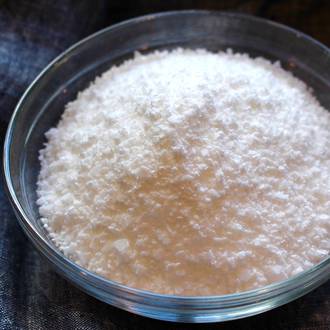
Vegetable-derived stearic acid is a solid fatty acid used to thicken, harden, and stabilise formulations. It occurs naturally in many fats and oils (e.g., high levels in butters like shea/cocoa/kokum; small amounts in some liquid oils). Ours is plant-based (RSPO palm-derived) and supplied as small white beads.
Why formulators use it
- Adds body/opacity to lotions and creams
- Works as a co-emulsifier to boost viscosity and stability alongside a primary O/W emulsifier
- Firms balms, salves, and sticks with a rich, buttery feel (without the tack of true waxes)
- Helps raise melting point of anhydrous products (useful in warmer climates)
- Improves rinse-off in cleansing balms/scrubs versus wax-only thickening
How to use
General processing
- Add to the heated oil phase and melt completely (about 70 °C), then combine with the water phase.
- Optional: partial neutralisation with a small amount of base (e.g., TEA/AMP/NaOH/KOH) converts some stearic acid to stearate, increasing viscosity and stability.
- Charge behaviour: Non-ionic as supplied; becomes anionic stearate when neutralised.
Typical usage rates by application
- Creams & lotions (O/W): 1–5% to thicken/opaquify
- As a co-emulsifier: 1–3% with your primary O/W emulsifier to add body & stability
- Balms, salves, body butters (anhydrous): 2–10% for structure and butter-like richness
- Sticks/deodorants: 5–15% for firmness (often with waxes/butters)
- Cleansing balms & emulsified scrubs: 5–15% for creamy texture and clean rinse
- Cold-process soap: 1–3% of oils to increase hardness/dense lather (recalculate lye; can accelerate trace)
- Candles/wax projects: 2–10% with paraffin/other waxes to harden and reduce mottling
Formulating tips
- Start low—small increases can make a big jump in viscosity.
- Blend with cetyl or cetearyl alcohol for a creamier, cushier feel (expect to re-tune levels if substituting).
- Cool with gentle stirring to minimise graininess.
Common Name: Stearic Acid
INCI: Stearic Acid
Appearance: Small white beads/pellets
Solubility: Oil (insoluble in water)
Melting point: ~60–70 °C (typ. ~69 °C)
Usage range: 1–25% (see application guides above)
Charge: Non-ionic (forms anionic stearate when neutralised)
Vegan: Yes
Palm source: Yes — RSPO approved sustainable palm
Animal tested: No
Safety: For external use only. Avoid inhaling dust. Patch test finished products before use.
Product Information
Product Information
Shipping & Returns
Shipping & Returns
Description
Stearic Acid
Vegetable-derived stearic acid is a solid fatty acid used to thicken, harden, and stabilise formulations. It occurs naturally in many fats and oils (e.g., high levels in butters like shea/cocoa/kokum; small amounts in some liquid oils). Ours is plant-based (RSPO palm-derived) and supplied as small white beads.
Why formulators use it
- Adds body/opacity to lotions and creams
- Works as a co-emulsifier to boost viscosity and stability alongside a primary O/W emulsifier
- Firms balms, salves, and sticks with a rich, buttery feel (without the tack of true waxes)
- Helps raise melting point of anhydrous products (useful in warmer climates)
- Improves rinse-off in cleansing balms/scrubs versus wax-only thickening
How to use
General processing
- Add to the heated oil phase and melt completely (about 70 °C), then combine with the water phase.
- Optional: partial neutralisation with a small amount of base (e.g., TEA/AMP/NaOH/KOH) converts some stearic acid to stearate, increasing viscosity and stability.
- Charge behaviour: Non-ionic as supplied; becomes anionic stearate when neutralised.
Typical usage rates by application
- Creams & lotions (O/W): 1–5% to thicken/opaquify
- As a co-emulsifier: 1–3% with your primary O/W emulsifier to add body & stability
- Balms, salves, body butters (anhydrous): 2–10% for structure and butter-like richness
- Sticks/deodorants: 5–15% for firmness (often with waxes/butters)
- Cleansing balms & emulsified scrubs: 5–15% for creamy texture and clean rinse
- Cold-process soap: 1–3% of oils to increase hardness/dense lather (recalculate lye; can accelerate trace)
- Candles/wax projects: 2–10% with paraffin/other waxes to harden and reduce mottling
Formulating tips
- Start low—small increases can make a big jump in viscosity.
- Blend with cetyl or cetearyl alcohol for a creamier, cushier feel (expect to re-tune levels if substituting).
- Cool with gentle stirring to minimise graininess.
Common Name: Stearic Acid
INCI: Stearic Acid
Appearance: Small white beads/pellets
Solubility: Oil (insoluble in water)
Melting point: ~60–70 °C (typ. ~69 °C)
Usage range: 1–25% (see application guides above)
Charge: Non-ionic (forms anionic stearate when neutralised)
Vegan: Yes
Palm source: Yes — RSPO approved sustainable palm
Animal tested: No
Safety: For external use only. Avoid inhaling dust. Patch test finished products before use.