Sapogel® Q
Sapogel® Q
COSMOS approved | NATRUE approved
Sapogel® Q is a palm-free, 100% natural solution for gelling oils and butters, allowing the creation of rich, smooth gel textures without the use of water or gums.
It is particularly suited to gelling vegetable oils (triglycerides), but most non-polar materials can be gelled, including esters and silicones. Sapogel® Q can also be used with butters to create rich gel textures without crystal formation. The resulting gels are virtually transparent or semi-transparent, depending on the oils used.
Key features
- 100% natural origin
- Palm free
- COSMOS approved
- NATRUE approved
- Enables the creation of palm-free textures without wax
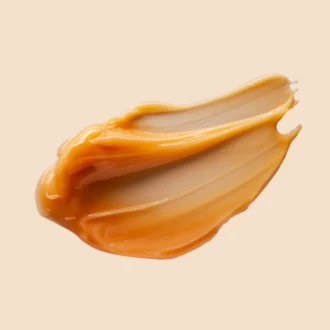
- Creates variable textures from honey-like gels to thick balms
- Cold process manufacturing
Suitable applications
- Lip balms
- Balm cleansers
- Body balms
- Scrubs, including sugar and salt
- Face masks
- Concentrated skin serums and creams
- Hair and beard balms
Trade Name: Sapogel® Q
INCI: Glycerin, Aqua, Quillaja Saponaria Wood Extract, Saponaria Officinalis Leaf/Root Extract
Certification: COSMOS approved, NATRUE approved
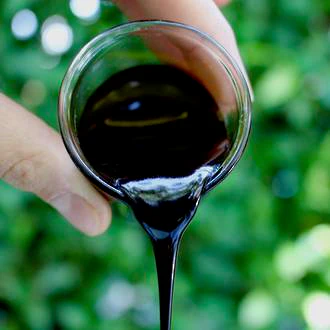
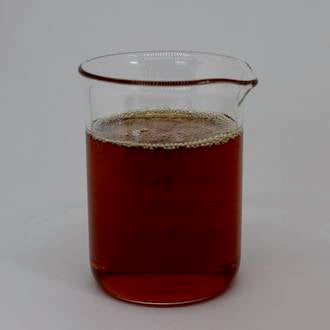
Appearance: Viscous brown liquid
Solubility: Oil and small amounts of water-based ingredients (max 4%)
Usage Rate: 15 - 25%
pH Range: 4 - 6.5
Vegan: Yes
Palm Oil: No
Animal Tested: No
All our products are for external use only.
Notes from the Go Native NZ team
Here at Go Native NZ, we like to personally test new products before choosing to stock them. This allows us to better understand how they behave in real formulations and identify any quirks or considerations when working with them.
What we’ve found when working with Sapogel® Q
-
The recommended usage rate is 15–25%.
-
Contrary to what you might expect, lower usage rates create firmer gels, while higher usage rates result in more fluid textures.
-
Around 15% produces a firm gel
-
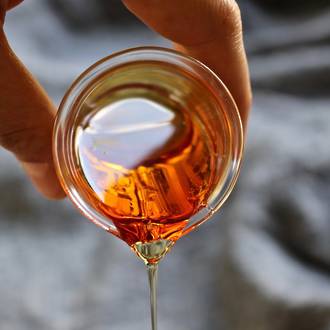
Around 25% creates a viscous, honey-like texture, suitable for use in a lotion pump
-
-
Different carrier oils will produce different consistencies at the same usage rate. For example, castor oil, being naturally thick, creates a much firmer gel even at higher Sapogel® Q levels.
-
Different oils will also affect the clarity and colour of the final gel.
(See product photos for texture reference.)

Basic formulation method
-
Weigh your chosen percentage of Sapogel® Q into a beaker.
-
Slowly add your oil phase, allowing the mixture to recover between each addition.
-
If using butters, melt them first so the oil phase is fully liquid.
-
The mixture will thicken as more oil is incorporated.
-
Fragrance and small amounts of water-based additives (max 4%) can be added at the end.
Mixing methods
Electric whisk
Ideally, Sapogel® Q is used with an overhead stirrer. As most DIY formulators don’t have access to this equipment, we tested alternative methods.
A standard electric whisk works very well for larger batches. Attach a single prong and start on a low setting. Add a small amount of oil at a time, ensuring it is fully incorporated before adding more.
Hand blending
Sapogel® Q can also be successfully blended by hand using a mini silicone spatula. This method works particularly well for small batches (around 50g). Add one pipette of oil at a time, stirring vigorously until fully incorporated before continuing. While slower, this method offers excellent control and consistency.
In summary, for small batches we recommend hand blending. For larger batches, an electric whisk is very helpful and significantly reduces effort.
Troubleshooting
If too much oil is added before the Sapogel® Q has fully incorporated it, the gel may split. While frustrating, this is recoverable.
Allow the mixture to sit until it separates fully, with oil rising to the top. Remove as much of the excess oil as possible and transfer it to a separate beaker. Stir the remaining mixture until it begins to gel again, then slowly reintroduce the oil one pipette at a time, allowing the gel to recover between additions. This method can restore the mixture to a smooth, stable gel.
Product Information
Product Information
Shipping & Returns
Shipping & Returns
Sapogel® Q
Sapogel® Q
Sapogel® Q
COSMOS approved | NATRUE approved
Sapogel® Q is a palm-free, 100% natural solution for gelling oils and butters, allowing the creation of rich, smooth gel textures without the use of water or gums.
It is particularly suited to gelling vegetable oils (triglycerides), but most non-polar materials can be gelled, including esters and silicones. Sapogel® Q can also be used with butters to create rich gel textures without crystal formation. The resulting gels are virtually transparent or semi-transparent, depending on the oils used.
Key features
- 100% natural origin
- Palm free
- COSMOS approved
- NATRUE approved
- Enables the creation of palm-free textures without wax
- Creates variable textures from honey-like gels to thick balms
- Cold process manufacturing
Suitable applications
- Lip balms
- Balm cleansers
- Body balms
- Scrubs, including sugar and salt
- Face masks
- Concentrated skin serums and creams
- Hair and beard balms
Trade Name: Sapogel® Q
INCI: Glycerin, Aqua, Quillaja Saponaria Wood Extract, Saponaria Officinalis Leaf/Root Extract
Certification: COSMOS approved, NATRUE approved
Appearance: Viscous brown liquid
Solubility: Oil and small amounts of water-based ingredients (max 4%)
Usage Rate: 15 - 25%
pH Range: 4 - 6.5
Vegan: Yes
Palm Oil: No
Animal Tested: No
All our products are for external use only.
Notes from the Go Native NZ team
Here at Go Native NZ, we like to personally test new products before choosing to stock them. This allows us to better understand how they behave in real formulations and identify any quirks or considerations when working with them.
What we’ve found when working with Sapogel® Q
-
The recommended usage rate is 15–25%.
-
Contrary to what you might expect, lower usage rates create firmer gels, while higher usage rates result in more fluid textures.
-
Around 15% produces a firm gel
-
Around 25% creates a viscous, honey-like texture, suitable for use in a lotion pump
-
-
Different carrier oils will produce different consistencies at the same usage rate. For example, castor oil, being naturally thick, creates a much firmer gel even at higher Sapogel® Q levels.
-
Different oils will also affect the clarity and colour of the final gel.
(See product photos for texture reference.)
Basic formulation method
-
Weigh your chosen percentage of Sapogel® Q into a beaker.
-
Slowly add your oil phase, allowing the mixture to recover between each addition.
-
If using butters, melt them first so the oil phase is fully liquid.
-
The mixture will thicken as more oil is incorporated.
-
Fragrance and small amounts of water-based additives (max 4%) can be added at the end.
Mixing methods
Electric whisk
Ideally, Sapogel® Q is used with an overhead stirrer. As most DIY formulators don’t have access to this equipment, we tested alternative methods.
A standard electric whisk works very well for larger batches. Attach a single prong and start on a low setting. Add a small amount of oil at a time, ensuring it is fully incorporated before adding more.
Hand blending
Sapogel® Q can also be successfully blended by hand using a mini silicone spatula. This method works particularly well for small batches (around 50g). Add one pipette of oil at a time, stirring vigorously until fully incorporated before continuing. While slower, this method offers excellent control and consistency.
In summary, for small batches we recommend hand blending. For larger batches, an electric whisk is very helpful and significantly reduces effort.
Troubleshooting
If too much oil is added before the Sapogel® Q has fully incorporated it, the gel may split. While frustrating, this is recoverable.
Allow the mixture to sit until it separates fully, with oil rising to the top. Remove as much of the excess oil as possible and transfer it to a separate beaker. Stir the remaining mixture until it begins to gel again, then slowly reintroduce the oil one pipette at a time, allowing the gel to recover between additions. This method can restore the mixture to a smooth, stable gel.
Original: $14.12
-65%$14.12
$4.94Product Information
Product Information
Shipping & Returns
Shipping & Returns
Description
Sapogel® Q
COSMOS approved | NATRUE approved
Sapogel® Q is a palm-free, 100% natural solution for gelling oils and butters, allowing the creation of rich, smooth gel textures without the use of water or gums.
It is particularly suited to gelling vegetable oils (triglycerides), but most non-polar materials can be gelled, including esters and silicones. Sapogel® Q can also be used with butters to create rich gel textures without crystal formation. The resulting gels are virtually transparent or semi-transparent, depending on the oils used.
Key features
- 100% natural origin
- Palm free
- COSMOS approved
- NATRUE approved
- Enables the creation of palm-free textures without wax
- Creates variable textures from honey-like gels to thick balms
- Cold process manufacturing
Suitable applications
- Lip balms
- Balm cleansers
- Body balms
- Scrubs, including sugar and salt
- Face masks
- Concentrated skin serums and creams
- Hair and beard balms
Trade Name: Sapogel® Q
INCI: Glycerin, Aqua, Quillaja Saponaria Wood Extract, Saponaria Officinalis Leaf/Root Extract
Certification: COSMOS approved, NATRUE approved
Appearance: Viscous brown liquid
Solubility: Oil and small amounts of water-based ingredients (max 4%)
Usage Rate: 15 - 25%
pH Range: 4 - 6.5
Vegan: Yes
Palm Oil: No
Animal Tested: No
All our products are for external use only.
Notes from the Go Native NZ team
Here at Go Native NZ, we like to personally test new products before choosing to stock them. This allows us to better understand how they behave in real formulations and identify any quirks or considerations when working with them.
What we’ve found when working with Sapogel® Q
-
The recommended usage rate is 15–25%.
-
Contrary to what you might expect, lower usage rates create firmer gels, while higher usage rates result in more fluid textures.
-
Around 15% produces a firm gel
-
Around 25% creates a viscous, honey-like texture, suitable for use in a lotion pump
-
-
Different carrier oils will produce different consistencies at the same usage rate. For example, castor oil, being naturally thick, creates a much firmer gel even at higher Sapogel® Q levels.
-
Different oils will also affect the clarity and colour of the final gel.
(See product photos for texture reference.)
Basic formulation method
-
Weigh your chosen percentage of Sapogel® Q into a beaker.
-
Slowly add your oil phase, allowing the mixture to recover between each addition.
-
If using butters, melt them first so the oil phase is fully liquid.
-
The mixture will thicken as more oil is incorporated.
-
Fragrance and small amounts of water-based additives (max 4%) can be added at the end.
Mixing methods
Electric whisk
Ideally, Sapogel® Q is used with an overhead stirrer. As most DIY formulators don’t have access to this equipment, we tested alternative methods.
A standard electric whisk works very well for larger batches. Attach a single prong and start on a low setting. Add a small amount of oil at a time, ensuring it is fully incorporated before adding more.
Hand blending
Sapogel® Q can also be successfully blended by hand using a mini silicone spatula. This method works particularly well for small batches (around 50g). Add one pipette of oil at a time, stirring vigorously until fully incorporated before continuing. While slower, this method offers excellent control and consistency.
In summary, for small batches we recommend hand blending. For larger batches, an electric whisk is very helpful and significantly reduces effort.
Troubleshooting
If too much oil is added before the Sapogel® Q has fully incorporated it, the gel may split. While frustrating, this is recoverable.
Allow the mixture to sit until it separates fully, with oil rising to the top. Remove as much of the excess oil as possible and transfer it to a separate beaker. Stir the remaining mixture until it begins to gel again, then slowly reintroduce the oil one pipette at a time, allowing the gel to recover between additions. This method can restore the mixture to a smooth, stable gel.