Myrrh essential oil
Myrrh essential oil
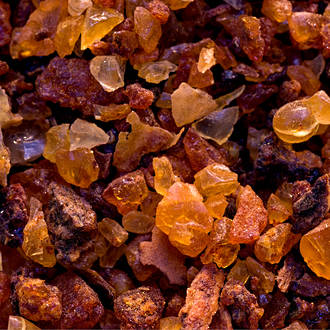
Myrrh essential oil is steam distilled from the gum-resin (oleoresin) of Commiphora myrrha, a short, thorny tree native to arid regions of East Africa, particularly Somalia. The tree naturally exudes a reddish-brown resin which hardens into small “tears.” To increase yield, collectors make careful incisions in the bark, allowing the resin to flow and solidify before harvesting. This aromatic gum-resin is then steam distilled to produce the essential oil.
Myrrh has a long and well-documented history of traditional use. It was highly valued by the ancient Egyptians and used in ritual practices including worship and funerary rites. The resin continues to be used in religious ceremonies in parts of the world today, where myrrh is traditionally associated with themes of restraint and reflection, alongside frankincense and gold.
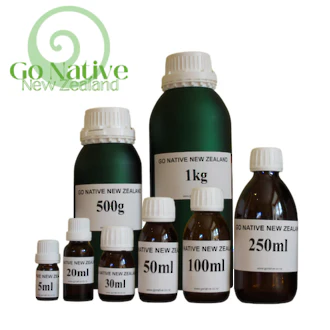
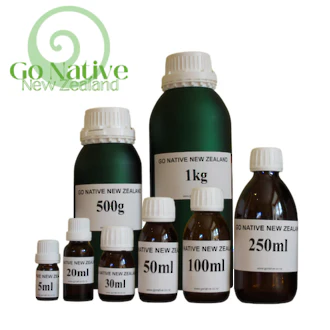
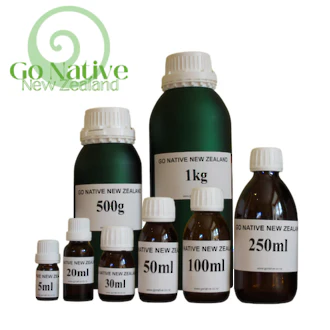
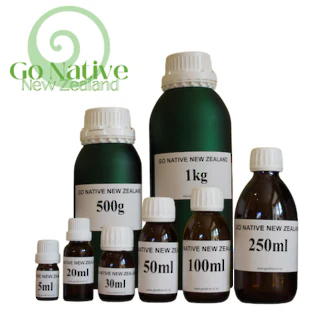
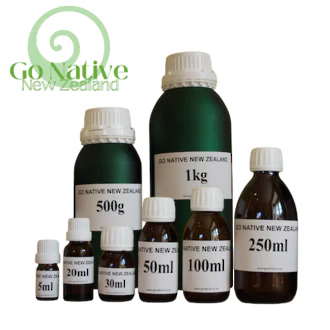
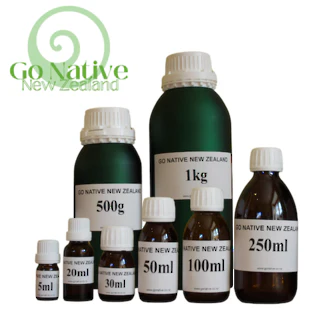
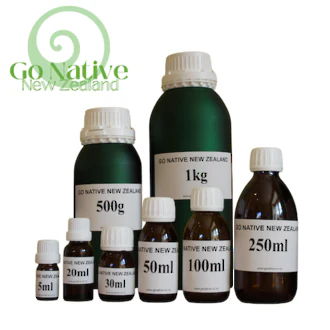
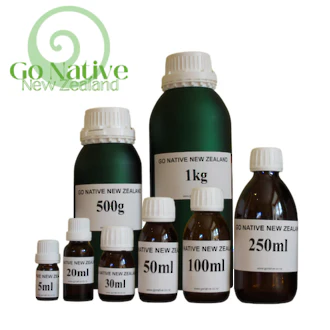
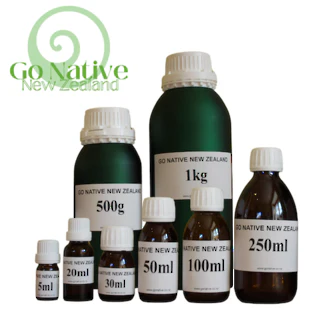
Unlike many essential oils, myrrh essential oil is naturally thick, dark, and viscous. This is due to its high content of heavier aromatic compounds distilled from the resin. While it is a true essential oil, it does not behave like lighter, free-flowing oils such as citrus or lavender. For this reason, 30ml is the smallest size we offer, as the oil would not reliably flow through the narrow necks of smaller bottles.
Consistency: Medium to heavy
Common Uses
Aromatherapy
Myrrh essential oil is often used in aromatherapy for its warm, earthy, resinous aroma. It is commonly chosen to help create a calm, grounded atmosphere.
Meditation and Ritual Use
With its deep, balsamic scent, myrrh has long been associated with meditation and spiritual practices. It is often used to support focus, mindfulness, and a contemplative environment.
Perfumery and Cosmetic Fragrance
Myrrh essential oil is valued in perfumery for adding depth, warmth, and complexity to fragrance blends. It is commonly used as a middle to base note in perfumes, balms, and other scented products.
Incense and Ambient Fragrance
Traditionally burned as incense in its raw resin form, myrrh essential oil is now commonly used in diffusers and ambient fragrance blends to create a rich, grounding scent within indoor spaces.
Air Freshening
When diffused, myrrh essential oil can be used to naturally fragrance rooms with a warm, resinous aroma.
Common Name: Myrrh Essential Oil
INCI: Commiphora myrrha
Certification: Conventional
Appearance: Pale yellow to amber, viscous liquid
Odour: Warm, sweet, amber, spicy, balsamic
Plant Part Used: Gum-resin (oleoresin)
Extraction Method: Steam distillation
Purity: 100%
Origin: Somalia
Solubility: Oil and alcohol
Usage Rate:
• Skincare: 0.1–1%
• Soapmaking: 1–3%
Note: Middle
Blends Well With: Lemon, lavender, frankincense, and spice oils
Vegan: Yes
Animal Tested: No
Safety
Very potent. Use with care, especially on sensitive skin. Avoid use during pregnancy. Do not take essential oils internally. Always dilute before use. Do not apply undiluted essential oils, absolutes, CO₂ extracts, or other concentrated essences directly to the skin. Perform a patch test before first use.
Product Information
Product Information
Shipping & Returns
Shipping & Returns
Myrrh essential oil
Myrrh essential oil
Myrrh essential oil
Myrrh essential oil is steam distilled from the gum-resin (oleoresin) of Commiphora myrrha, a short, thorny tree native to arid regions of East Africa, particularly Somalia. The tree naturally exudes a reddish-brown resin which hardens into small “tears.” To increase yield, collectors make careful incisions in the bark, allowing the resin to flow and solidify before harvesting. This aromatic gum-resin is then steam distilled to produce the essential oil.
Myrrh has a long and well-documented history of traditional use. It was highly valued by the ancient Egyptians and used in ritual practices including worship and funerary rites. The resin continues to be used in religious ceremonies in parts of the world today, where myrrh is traditionally associated with themes of restraint and reflection, alongside frankincense and gold.
Unlike many essential oils, myrrh essential oil is naturally thick, dark, and viscous. This is due to its high content of heavier aromatic compounds distilled from the resin. While it is a true essential oil, it does not behave like lighter, free-flowing oils such as citrus or lavender. For this reason, 30ml is the smallest size we offer, as the oil would not reliably flow through the narrow necks of smaller bottles.
Consistency: Medium to heavy
Common Uses
Aromatherapy
Myrrh essential oil is often used in aromatherapy for its warm, earthy, resinous aroma. It is commonly chosen to help create a calm, grounded atmosphere.
Meditation and Ritual Use
With its deep, balsamic scent, myrrh has long been associated with meditation and spiritual practices. It is often used to support focus, mindfulness, and a contemplative environment.
Perfumery and Cosmetic Fragrance
Myrrh essential oil is valued in perfumery for adding depth, warmth, and complexity to fragrance blends. It is commonly used as a middle to base note in perfumes, balms, and other scented products.
Incense and Ambient Fragrance
Traditionally burned as incense in its raw resin form, myrrh essential oil is now commonly used in diffusers and ambient fragrance blends to create a rich, grounding scent within indoor spaces.
Air Freshening
When diffused, myrrh essential oil can be used to naturally fragrance rooms with a warm, resinous aroma.
Common Name: Myrrh Essential Oil
INCI: Commiphora myrrha
Certification: Conventional
Appearance: Pale yellow to amber, viscous liquid
Odour: Warm, sweet, amber, spicy, balsamic
Plant Part Used: Gum-resin (oleoresin)
Extraction Method: Steam distillation
Purity: 100%
Origin: Somalia
Solubility: Oil and alcohol
Usage Rate:
• Skincare: 0.1–1%
• Soapmaking: 1–3%
Note: Middle
Blends Well With: Lemon, lavender, frankincense, and spice oils
Vegan: Yes
Animal Tested: No
Safety
Very potent. Use with care, especially on sensitive skin. Avoid use during pregnancy. Do not take essential oils internally. Always dilute before use. Do not apply undiluted essential oils, absolutes, CO₂ extracts, or other concentrated essences directly to the skin. Perform a patch test before first use.
Original: $11.82
-65%$11.82
$4.14Product Information
Product Information
Shipping & Returns
Shipping & Returns
Description
Myrrh essential oil
Myrrh essential oil is steam distilled from the gum-resin (oleoresin) of Commiphora myrrha, a short, thorny tree native to arid regions of East Africa, particularly Somalia. The tree naturally exudes a reddish-brown resin which hardens into small “tears.” To increase yield, collectors make careful incisions in the bark, allowing the resin to flow and solidify before harvesting. This aromatic gum-resin is then steam distilled to produce the essential oil.
Myrrh has a long and well-documented history of traditional use. It was highly valued by the ancient Egyptians and used in ritual practices including worship and funerary rites. The resin continues to be used in religious ceremonies in parts of the world today, where myrrh is traditionally associated with themes of restraint and reflection, alongside frankincense and gold.
Unlike many essential oils, myrrh essential oil is naturally thick, dark, and viscous. This is due to its high content of heavier aromatic compounds distilled from the resin. While it is a true essential oil, it does not behave like lighter, free-flowing oils such as citrus or lavender. For this reason, 30ml is the smallest size we offer, as the oil would not reliably flow through the narrow necks of smaller bottles.
Consistency: Medium to heavy
Common Uses
Aromatherapy
Myrrh essential oil is often used in aromatherapy for its warm, earthy, resinous aroma. It is commonly chosen to help create a calm, grounded atmosphere.
Meditation and Ritual Use
With its deep, balsamic scent, myrrh has long been associated with meditation and spiritual practices. It is often used to support focus, mindfulness, and a contemplative environment.
Perfumery and Cosmetic Fragrance
Myrrh essential oil is valued in perfumery for adding depth, warmth, and complexity to fragrance blends. It is commonly used as a middle to base note in perfumes, balms, and other scented products.
Incense and Ambient Fragrance
Traditionally burned as incense in its raw resin form, myrrh essential oil is now commonly used in diffusers and ambient fragrance blends to create a rich, grounding scent within indoor spaces.
Air Freshening
When diffused, myrrh essential oil can be used to naturally fragrance rooms with a warm, resinous aroma.
Common Name: Myrrh Essential Oil
INCI: Commiphora myrrha
Certification: Conventional
Appearance: Pale yellow to amber, viscous liquid
Odour: Warm, sweet, amber, spicy, balsamic
Plant Part Used: Gum-resin (oleoresin)
Extraction Method: Steam distillation
Purity: 100%
Origin: Somalia
Solubility: Oil and alcohol
Usage Rate:
• Skincare: 0.1–1%
• Soapmaking: 1–3%
Note: Middle
Blends Well With: Lemon, lavender, frankincense, and spice oils
Vegan: Yes
Animal Tested: No
Safety
Very potent. Use with care, especially on sensitive skin. Avoid use during pregnancy. Do not take essential oils internally. Always dilute before use. Do not apply undiluted essential oils, absolutes, CO₂ extracts, or other concentrated essences directly to the skin. Perform a patch test before first use.