Ginger essential oil (CO₂ extracted)
Ginger essential oil (CO₂ extracted)
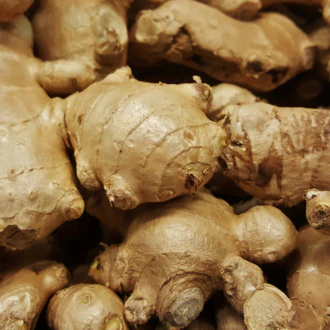
Ginger is a perennial herb growing to around 1m with a thick, spreading rhizome. Our CO₂ extract captures a warm, spicy, true-to-fresh-ginger aroma with rounded woody and citrus facets.
About CO₂ extraction
CO₂ extraction is especially useful for ginger because it can capture a broader spectrum of the rhizome’s aromatic compounds — including some that are less volatile or heat-sensitive. Ginger’s key constituents, such as gingerols and shogaols, are naturally more difficult to retain through steam distillation alone because they break down or don’t fully carry over with steam. With CO₂ extraction, these heavier, more complex molecules are preserved, resulting in an aroma that is closer to the scent of freshly cut ginger: warm, spicy, vibrant, and slightly sweet.
This doesn’t replace steam-distilled ginger; it simply offers a different aromatic profile, one that is fuller and more “true to the root” for formulators who want that fresh-ginger brightness.
History
Thought to have originated in India, China, and Java, ginger has long travelled the world as a culinary spice and aromatic. It appears in early Sanskrit and Chinese texts and later in Greek, Roman, and Arab writings.
Consistency: Medium (may thicken in cool temperatures; gently warm the bottle to pour)
Strength of aroma: Medium to strong
Some common ways to use
-
Aromatherapy/diffusion: Creates a cosy, uplifting atmosphere with a warm, spicy feel.
-
Topical blends/massage: When properly diluted in a carrier oil, brings a comforting warmth to body oils and balms.
-
Scent blending/home fragrance: Adds spice and depth to room sprays, candles, and potpourri.
Common name: Ginger essential oil, Ginger oil, Ginger CO₂ extract
INCI: Zingiber officinale roscoe (Ginger) CO₂ extract
Certification: Conventional
Appearance: Golden to amber
Odour: Warm, spicy, woody with subtle lemon/pepper notes
Plant part used: Root (rhizome)
Extraction method: Supercritical CO₂ extraction
Purity: 100%
Origin: India
Solubility: Oil-soluble; dispersible in alcohol; insoluble in water
Usage rate:
- Skincare: 0.1–0.5% (up to 1% for spot products; start low due to potency of CO₂ extracts)
-
Soapmaking: 1–3% of oil weight
Note: Middle–base
Blends well with: Bergamot, Sandalwood, Ylang ylang, and other spice oils
Vegan: Yes
Animal tested: No
Safety data: Do not use during pregnancy. Do not take any oils internally.
Do not apply undiluted essential oils, absolutes, CO2s or other concentrated essences onto the skin. Do a skin patch test
Product Information
Product Information
Shipping & Returns
Shipping & Returns
Ginger essential oil (CO₂ extracted)
Ginger essential oil (CO₂ extracted)
Ginger essential oil (CO₂ extracted)
Ginger is a perennial herb growing to around 1m with a thick, spreading rhizome. Our CO₂ extract captures a warm, spicy, true-to-fresh-ginger aroma with rounded woody and citrus facets.
About CO₂ extraction
CO₂ extraction is especially useful for ginger because it can capture a broader spectrum of the rhizome’s aromatic compounds — including some that are less volatile or heat-sensitive. Ginger’s key constituents, such as gingerols and shogaols, are naturally more difficult to retain through steam distillation alone because they break down or don’t fully carry over with steam. With CO₂ extraction, these heavier, more complex molecules are preserved, resulting in an aroma that is closer to the scent of freshly cut ginger: warm, spicy, vibrant, and slightly sweet.
This doesn’t replace steam-distilled ginger; it simply offers a different aromatic profile, one that is fuller and more “true to the root” for formulators who want that fresh-ginger brightness.
History
Thought to have originated in India, China, and Java, ginger has long travelled the world as a culinary spice and aromatic. It appears in early Sanskrit and Chinese texts and later in Greek, Roman, and Arab writings.
Consistency: Medium (may thicken in cool temperatures; gently warm the bottle to pour)
Strength of aroma: Medium to strong
Some common ways to use
-
Aromatherapy/diffusion: Creates a cosy, uplifting atmosphere with a warm, spicy feel.
-
Topical blends/massage: When properly diluted in a carrier oil, brings a comforting warmth to body oils and balms.
-
Scent blending/home fragrance: Adds spice and depth to room sprays, candles, and potpourri.
Common name: Ginger essential oil, Ginger oil, Ginger CO₂ extract
INCI: Zingiber officinale roscoe (Ginger) CO₂ extract
Certification: Conventional
Appearance: Golden to amber
Odour: Warm, spicy, woody with subtle lemon/pepper notes
Plant part used: Root (rhizome)
Extraction method: Supercritical CO₂ extraction
Purity: 100%
Origin: India
Solubility: Oil-soluble; dispersible in alcohol; insoluble in water
Usage rate:
- Skincare: 0.1–0.5% (up to 1% for spot products; start low due to potency of CO₂ extracts)
-
Soapmaking: 1–3% of oil weight
Note: Middle–base
Blends well with: Bergamot, Sandalwood, Ylang ylang, and other spice oils
Vegan: Yes
Animal tested: No
Safety data: Do not use during pregnancy. Do not take any oils internally.
Do not apply undiluted essential oils, absolutes, CO2s or other concentrated essences onto the skin. Do a skin patch test
Original: $4.03
-65%$4.03
$1.41Product Information
Product Information
Shipping & Returns
Shipping & Returns
Description
Ginger essential oil (CO₂ extracted)
Ginger is a perennial herb growing to around 1m with a thick, spreading rhizome. Our CO₂ extract captures a warm, spicy, true-to-fresh-ginger aroma with rounded woody and citrus facets.
About CO₂ extraction
CO₂ extraction is especially useful for ginger because it can capture a broader spectrum of the rhizome’s aromatic compounds — including some that are less volatile or heat-sensitive. Ginger’s key constituents, such as gingerols and shogaols, are naturally more difficult to retain through steam distillation alone because they break down or don’t fully carry over with steam. With CO₂ extraction, these heavier, more complex molecules are preserved, resulting in an aroma that is closer to the scent of freshly cut ginger: warm, spicy, vibrant, and slightly sweet.
This doesn’t replace steam-distilled ginger; it simply offers a different aromatic profile, one that is fuller and more “true to the root” for formulators who want that fresh-ginger brightness.
History
Thought to have originated in India, China, and Java, ginger has long travelled the world as a culinary spice and aromatic. It appears in early Sanskrit and Chinese texts and later in Greek, Roman, and Arab writings.
Consistency: Medium (may thicken in cool temperatures; gently warm the bottle to pour)
Strength of aroma: Medium to strong
Some common ways to use
-
Aromatherapy/diffusion: Creates a cosy, uplifting atmosphere with a warm, spicy feel.
-
Topical blends/massage: When properly diluted in a carrier oil, brings a comforting warmth to body oils and balms.
-
Scent blending/home fragrance: Adds spice and depth to room sprays, candles, and potpourri.
Common name: Ginger essential oil, Ginger oil, Ginger CO₂ extract
INCI: Zingiber officinale roscoe (Ginger) CO₂ extract
Certification: Conventional
Appearance: Golden to amber
Odour: Warm, spicy, woody with subtle lemon/pepper notes
Plant part used: Root (rhizome)
Extraction method: Supercritical CO₂ extraction
Purity: 100%
Origin: India
Solubility: Oil-soluble; dispersible in alcohol; insoluble in water
Usage rate:
- Skincare: 0.1–0.5% (up to 1% for spot products; start low due to potency of CO₂ extracts)
-
Soapmaking: 1–3% of oil weight
Note: Middle–base
Blends well with: Bergamot, Sandalwood, Ylang ylang, and other spice oils
Vegan: Yes
Animal tested: No
Safety data: Do not use during pregnancy. Do not take any oils internally.
Do not apply undiluted essential oils, absolutes, CO2s or other concentrated essences onto the skin. Do a skin patch test