Chamomile essential oil German
Chamomile essential oil German
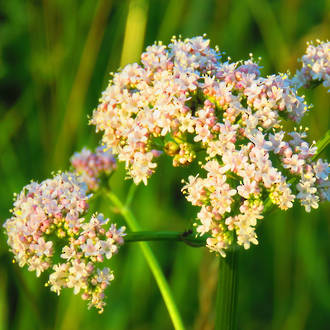
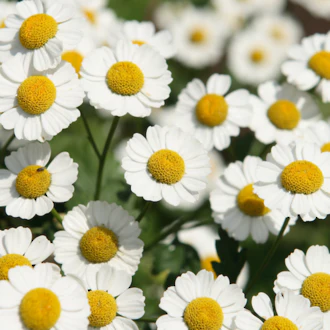
German chamomile (Matricaria recutita) is a daisy-family annual native to Europe and Asia. It grows to around 1m with finely divided, softly hairy foliage and composite flower heads: a yellow tubular centre (disc florets) ringed by white petals (ray florets). The essential oil is steam-distilled from the flower heads. This batch pours a dark green colour, a natural result of its azulene-rich composition. The aroma is strong, herbaceous-floral with hay-like, apple-skin nuances.
Consistency: Medium
Strength of aroma: Strong
Common uses
Aromatherapy: Often used to help set a calm, comforting atmosphere.
Natural perfume & personal care: Adds a soft, soothing accent in blends at low percentages (around 0.1–0.5%). Note the dark green colour can lightly tint very pale formulas at higher amounts.
Baths: Always pre-disperse. Add 3–5 drops to a tablespoon of carrier oil or a suitable solubiliser before adding to the water.
Natural cleaning blends: Used to lend a fresh, botanical scent to DIY fragrance-only surface sprays.
Insect-repellent blends: Sometimes included alongside citronella, eucalyptus, or lemongrass to round out the scent profile.
Potpourri & scented crafts: Suits potpourri, wax melts, and candles. Add at low temperatures in wax projects and be aware the colour may influence very light bases.
Meditation & relaxation: Works well in pillow mists (with proper solubiliser), aroma stones, or diluted pulse-point oils to help create a serene environment.
Common name: Chamomile Essential Oil German
INCI: Matricaria recutita
Certification: Conventional
Appearance: Blue to bluish-green
Odour: Floral
Plant part used: Flowers
Extraction method: Steam distillation
Purity: 100%
Origin: Nepal
Solubility: Oil and alcohol
Usage rate: Skincare 0.1–1%; Soapmaking 1–3%
Note: Top
Blends well with: Geranium, lavender, rose, benzoin, neroli, bergamot, marjoram, frankincense, rosewood, ylang ylang, jasmine, clary sage
Vegan: Yes
Animal tested: No
Safety
Avoid during pregnancy. Always dilute before external use; may irritate sensitive skin. Do not take essential oils internally. Do not apply undiluted essential oils, absolutes, CO₂ extracts, or other concentrated essences directly to the skin. Keep out of reach of children. May not be suitable for individuals with epilepsy—seek professional advice if unsure.
Product Information
Product Information
Shipping & Returns
Shipping & Returns
Chamomile essential oil German
Chamomile essential oil German
Chamomile essential oil German
German chamomile (Matricaria recutita) is a daisy-family annual native to Europe and Asia. It grows to around 1m with finely divided, softly hairy foliage and composite flower heads: a yellow tubular centre (disc florets) ringed by white petals (ray florets). The essential oil is steam-distilled from the flower heads. This batch pours a dark green colour, a natural result of its azulene-rich composition. The aroma is strong, herbaceous-floral with hay-like, apple-skin nuances.
Consistency: Medium
Strength of aroma: Strong
Common uses
Aromatherapy: Often used to help set a calm, comforting atmosphere.
Natural perfume & personal care: Adds a soft, soothing accent in blends at low percentages (around 0.1–0.5%). Note the dark green colour can lightly tint very pale formulas at higher amounts.
Baths: Always pre-disperse. Add 3–5 drops to a tablespoon of carrier oil or a suitable solubiliser before adding to the water.
Natural cleaning blends: Used to lend a fresh, botanical scent to DIY fragrance-only surface sprays.
Insect-repellent blends: Sometimes included alongside citronella, eucalyptus, or lemongrass to round out the scent profile.
Potpourri & scented crafts: Suits potpourri, wax melts, and candles. Add at low temperatures in wax projects and be aware the colour may influence very light bases.
Meditation & relaxation: Works well in pillow mists (with proper solubiliser), aroma stones, or diluted pulse-point oils to help create a serene environment.
Common name: Chamomile Essential Oil German
INCI: Matricaria recutita
Certification: Conventional
Appearance: Blue to bluish-green
Odour: Floral
Plant part used: Flowers
Extraction method: Steam distillation
Purity: 100%
Origin: Nepal
Solubility: Oil and alcohol
Usage rate: Skincare 0.1–1%; Soapmaking 1–3%
Note: Top
Blends well with: Geranium, lavender, rose, benzoin, neroli, bergamot, marjoram, frankincense, rosewood, ylang ylang, jasmine, clary sage
Vegan: Yes
Animal tested: No
Safety
Avoid during pregnancy. Always dilute before external use; may irritate sensitive skin. Do not take essential oils internally. Do not apply undiluted essential oils, absolutes, CO₂ extracts, or other concentrated essences directly to the skin. Keep out of reach of children. May not be suitable for individuals with epilepsy—seek professional advice if unsure.
Original: $8.07
-65%$8.07
$2.82Product Information
Product Information
Shipping & Returns
Shipping & Returns
Description
Chamomile essential oil German
German chamomile (Matricaria recutita) is a daisy-family annual native to Europe and Asia. It grows to around 1m with finely divided, softly hairy foliage and composite flower heads: a yellow tubular centre (disc florets) ringed by white petals (ray florets). The essential oil is steam-distilled from the flower heads. This batch pours a dark green colour, a natural result of its azulene-rich composition. The aroma is strong, herbaceous-floral with hay-like, apple-skin nuances.
Consistency: Medium
Strength of aroma: Strong
Common uses
Aromatherapy: Often used to help set a calm, comforting atmosphere.
Natural perfume & personal care: Adds a soft, soothing accent in blends at low percentages (around 0.1–0.5%). Note the dark green colour can lightly tint very pale formulas at higher amounts.
Baths: Always pre-disperse. Add 3–5 drops to a tablespoon of carrier oil or a suitable solubiliser before adding to the water.
Natural cleaning blends: Used to lend a fresh, botanical scent to DIY fragrance-only surface sprays.
Insect-repellent blends: Sometimes included alongside citronella, eucalyptus, or lemongrass to round out the scent profile.
Potpourri & scented crafts: Suits potpourri, wax melts, and candles. Add at low temperatures in wax projects and be aware the colour may influence very light bases.
Meditation & relaxation: Works well in pillow mists (with proper solubiliser), aroma stones, or diluted pulse-point oils to help create a serene environment.
Common name: Chamomile Essential Oil German
INCI: Matricaria recutita
Certification: Conventional
Appearance: Blue to bluish-green
Odour: Floral
Plant part used: Flowers
Extraction method: Steam distillation
Purity: 100%
Origin: Nepal
Solubility: Oil and alcohol
Usage rate: Skincare 0.1–1%; Soapmaking 1–3%
Note: Top
Blends well with: Geranium, lavender, rose, benzoin, neroli, bergamot, marjoram, frankincense, rosewood, ylang ylang, jasmine, clary sage
Vegan: Yes
Animal tested: No
Safety
Avoid during pregnancy. Always dilute before external use; may irritate sensitive skin. Do not take essential oils internally. Do not apply undiluted essential oils, absolutes, CO₂ extracts, or other concentrated essences directly to the skin. Keep out of reach of children. May not be suitable for individuals with epilepsy—seek professional advice if unsure.