Ylang ylang III essential oil, certified organic
Ylang ylang III essential oil, certified organic
Ylang ylang essential oil is distilled from the flowers of Cananga odorata, a tropical tree growing up to 20 metres tall. Often referred to as the “flower of flowers,” ylang ylang produces large, tender blossoms ranging from pink and mauve to yellow, with the yellow flowers traditionally regarded as the highest quality for essential oil distillation. The resulting oil has a rich, sweet, and intensely floral aroma.
Ylang ylang has a long history of aromatic use. In Indonesia, fresh petals have traditionally been scattered on the beds of newlywed couples, while in Europe the oil was once a key ingredient in hair preparations known as Macassar oil. The widespread use of these scented hair oils even gave rise to the term “anti-macassar,” referring to cloths used to protect furniture from oil stains.
Consistency: Light
Strength of Aroma: Medium
Common Uses
Aromatherapy
Ylang ylang essential oil is commonly used in aromatherapy for its deeply floral, calming aroma. It is often chosen to help create a relaxed and comforting atmosphere.
Perfumery and Scented Products
With its sweet, exotic fragrance, ylang ylang is a popular ingredient in perfumery and scented body products. It is frequently used to add depth and softness to floral and oriental fragrance blends.
Air Freshening
Ylang ylang essential oil can be diffused or used in simple room sprays to naturally fragrance indoor spaces with a warm, floral scent.
Atmosphere and Mood Setting
The rich floral aroma of ylang ylang is often associated with creating a sensual or romantic ambience and is commonly used to enhance the mood of a space.
Insect Deterrence
Ylang ylang essential oil is sometimes included in natural insect-repelling blends due to its strong, fragrant aroma.
Relaxation and Stress Reduction
The pleasant aroma of ylang ylang is widely used in relaxation rituals and self-care practices to support a sense of calm.
Common Name: Ylang Ylang Essential Oil
INCI: Cananga odorata
Appearance: Pale yellow to amber
Odour: Sweet, rich, intensely floral
Plant Part Used: Flowers
Extraction Method: Steam distillation
Purity: 100%
Origin: India
Solubility: Oil and alcohol
Usage Rate:
• Skincare: 0.1–1%
• Soapmaking: 1–3%
Note: Middle to base
Blends Well With: Bergamot, clary sage, frankincense, geranium, jasmine, lavender, neroli, patchouli, rose, sandalwood, vetiver
Vegan: Yes
Palm Oil: No
Animal Tested: No
Safety
Potent. Use with care on sensitive skin. Avoid use during pregnancy. Do not take essential oils internally. Always dilute before use. Do not apply undiluted essential oils, absolutes, CO₂ extracts, or other concentrated essences directly to the skin. Perform a patch test before first use.
Product Information
Product Information
Shipping & Returns
Shipping & Returns
Ylang ylang III essential oil, certified organic
Ylang ylang III essential oil, certified organic
Ylang ylang III essential oil, certified organic
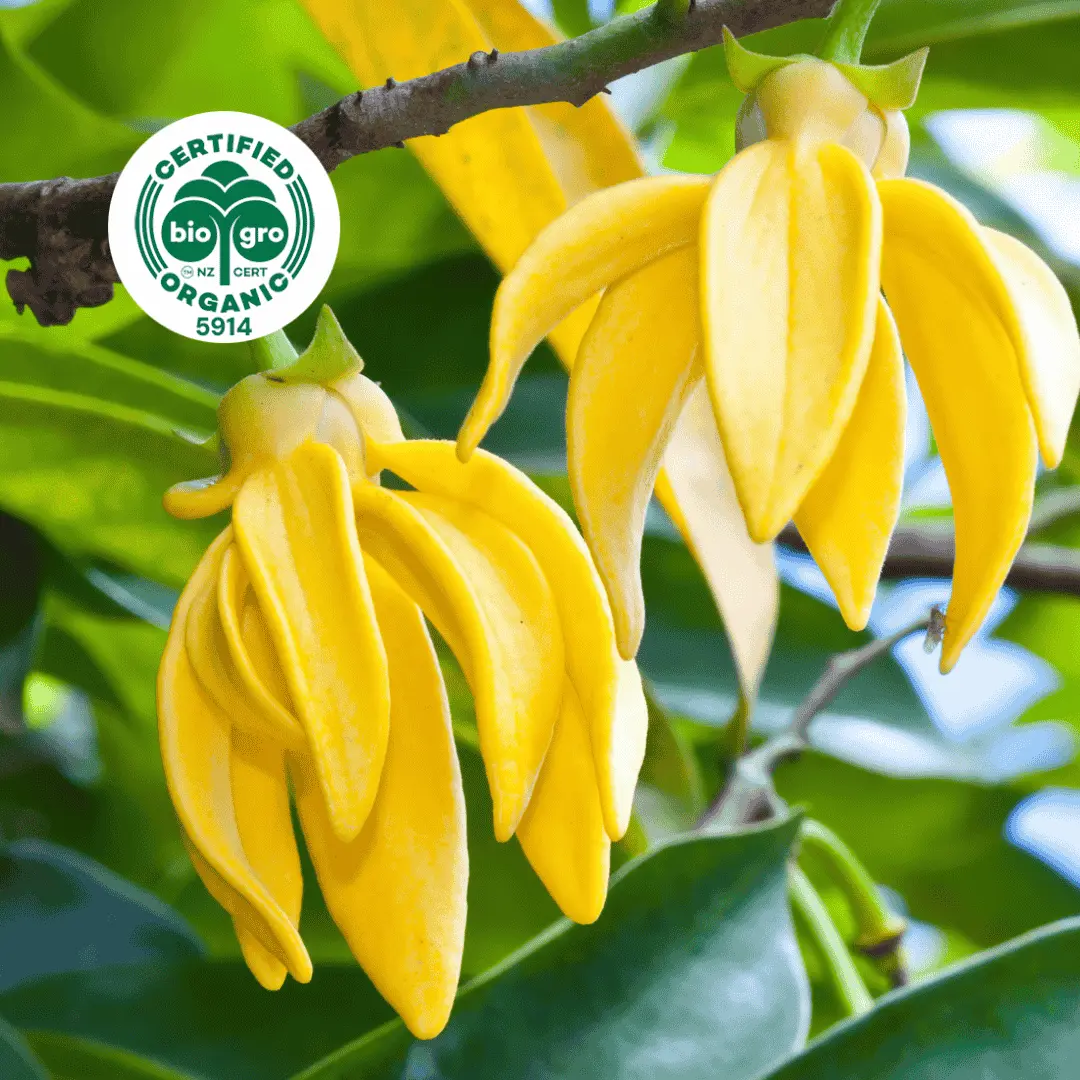
Ylang ylang essential oil is distilled from the flowers of Cananga odorata, a tropical tree growing up to 20 metres tall. Often referred to as the “flower of flowers,” ylang ylang produces large, tender blossoms ranging from pink and mauve to yellow, with the yellow flowers traditionally regarded as the highest quality for essential oil distillation. The resulting oil has a rich, sweet, and intensely floral aroma.
Ylang ylang has a long history of aromatic use. In Indonesia, fresh petals have traditionally been scattered on the beds of newlywed couples, while in Europe the oil was once a key ingredient in hair preparations known as Macassar oil. The widespread use of these scented hair oils even gave rise to the term “anti-macassar,” referring to cloths used to protect furniture from oil stains.
Consistency: Light
Strength of Aroma: Medium
Common Uses
Aromatherapy
Ylang ylang essential oil is commonly used in aromatherapy for its deeply floral, calming aroma. It is often chosen to help create a relaxed and comforting atmosphere.
Perfumery and Scented Products
With its sweet, exotic fragrance, ylang ylang is a popular ingredient in perfumery and scented body products. It is frequently used to add depth and softness to floral and oriental fragrance blends.
Air Freshening
Ylang ylang essential oil can be diffused or used in simple room sprays to naturally fragrance indoor spaces with a warm, floral scent.
Atmosphere and Mood Setting
The rich floral aroma of ylang ylang is often associated with creating a sensual or romantic ambience and is commonly used to enhance the mood of a space.
Insect Deterrence
Ylang ylang essential oil is sometimes included in natural insect-repelling blends due to its strong, fragrant aroma.
Relaxation and Stress Reduction
The pleasant aroma of ylang ylang is widely used in relaxation rituals and self-care practices to support a sense of calm.
Common Name: Ylang Ylang Essential Oil
INCI: Cananga odorata
Appearance: Pale yellow to amber
Odour: Sweet, rich, intensely floral
Plant Part Used: Flowers
Extraction Method: Steam distillation
Purity: 100%
Origin: India
Solubility: Oil and alcohol
Usage Rate:
• Skincare: 0.1–1%
• Soapmaking: 1–3%
Note: Middle to base
Blends Well With: Bergamot, clary sage, frankincense, geranium, jasmine, lavender, neroli, patchouli, rose, sandalwood, vetiver
Vegan: Yes
Palm Oil: No
Animal Tested: No
Safety
Potent. Use with care on sensitive skin. Avoid use during pregnancy. Do not take essential oils internally. Always dilute before use. Do not apply undiluted essential oils, absolutes, CO₂ extracts, or other concentrated essences directly to the skin. Perform a patch test before first use.
Original: $6.46
-65%$6.46
$2.26Product Information
Product Information
Shipping & Returns
Shipping & Returns
Description
Ylang ylang III essential oil, certified organic
Ylang ylang essential oil is distilled from the flowers of Cananga odorata, a tropical tree growing up to 20 metres tall. Often referred to as the “flower of flowers,” ylang ylang produces large, tender blossoms ranging from pink and mauve to yellow, with the yellow flowers traditionally regarded as the highest quality for essential oil distillation. The resulting oil has a rich, sweet, and intensely floral aroma.
Ylang ylang has a long history of aromatic use. In Indonesia, fresh petals have traditionally been scattered on the beds of newlywed couples, while in Europe the oil was once a key ingredient in hair preparations known as Macassar oil. The widespread use of these scented hair oils even gave rise to the term “anti-macassar,” referring to cloths used to protect furniture from oil stains.
Consistency: Light
Strength of Aroma: Medium
Common Uses
Aromatherapy
Ylang ylang essential oil is commonly used in aromatherapy for its deeply floral, calming aroma. It is often chosen to help create a relaxed and comforting atmosphere.
Perfumery and Scented Products
With its sweet, exotic fragrance, ylang ylang is a popular ingredient in perfumery and scented body products. It is frequently used to add depth and softness to floral and oriental fragrance blends.
Air Freshening
Ylang ylang essential oil can be diffused or used in simple room sprays to naturally fragrance indoor spaces with a warm, floral scent.
Atmosphere and Mood Setting
The rich floral aroma of ylang ylang is often associated with creating a sensual or romantic ambience and is commonly used to enhance the mood of a space.
Insect Deterrence
Ylang ylang essential oil is sometimes included in natural insect-repelling blends due to its strong, fragrant aroma.
Relaxation and Stress Reduction
The pleasant aroma of ylang ylang is widely used in relaxation rituals and self-care practices to support a sense of calm.
Common Name: Ylang Ylang Essential Oil
INCI: Cananga odorata
Appearance: Pale yellow to amber
Odour: Sweet, rich, intensely floral
Plant Part Used: Flowers
Extraction Method: Steam distillation
Purity: 100%
Origin: India
Solubility: Oil and alcohol
Usage Rate:
• Skincare: 0.1–1%
• Soapmaking: 1–3%
Note: Middle to base
Blends Well With: Bergamot, clary sage, frankincense, geranium, jasmine, lavender, neroli, patchouli, rose, sandalwood, vetiver
Vegan: Yes
Palm Oil: No
Animal Tested: No
Safety
Potent. Use with care on sensitive skin. Avoid use during pregnancy. Do not take essential oils internally. Always dilute before use. Do not apply undiluted essential oils, absolutes, CO₂ extracts, or other concentrated essences directly to the skin. Perform a patch test before first use.